

When Fault Lines Blur After a Motorcycle Crash
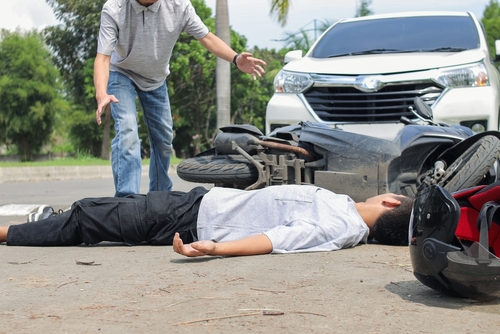
Motorcycle fatalities in Utah reached a 15-year high in 2024 with 53 deaths, concentrated during summer months from June through August. If you’ve been injured in a motorcycle accident and face questions about fault, you’re dealing with one of personal injury law’s most complex aspects. Utah’s comparative negligence laws add complexity that significantly impacts your ability to recover compensation. While most motorcycle incidents involve single-vehicle crashes attributed to speed, lack of protective gear, or loss of control, even these cases can involve shared fault when road conditions, vehicle defects, or other factors come into play.
💡 Pro Tip: Document everything at the accident scene, including road conditions, weather, and potential hazards – these details become crucial when determining fault percentages.
Don’t let the complexities of Utah’s comparative negligence laws trip you up. Whether it’s understanding fault percentages or asserting your rights, Lowe Injury Law is here to guide you every step of the way. Reach out today at 801-960-4575 or contact us to secure the support you need.
Understanding Your Rights When Working with a Motorcycle Accident Lawyer in Provo
Under Utah Code 78B-5-818 – Comparative negligence, you can recover compensation even if partially at fault for your motorcycle accident – but there’s a critical threshold. Utah follows a modified comparative negligence rule: if you’re found 50% or more at fault, you cannot recover any damages. For riders seeking help from a motorcycle accident lawyer in Provo, this distinction is vital because insurance companies often shift blame onto motorcyclists, citing lane positioning, speed, or visibility.
The comparative negligence system directly affects damage calculations. If you’re 30% at fault for an accident with $100,000 in damages, your recovery reduces to $70,000. This reduction applies to all compensation forms, including medical expenses, lost wages, pain and suffering, and property damage. With one-third of 2024 traffic fatalities being vulnerable road users including motorcyclists, understanding these laws is critical for protecting your rights.
💡 Pro Tip: Never admit fault or discuss blame percentages at the accident scene or with insurance adjusters – even casual statements like "I didn’t see them coming" can increase your fault percentage.
The Step-by-Step Process of Fault Determination in Utah Motorcycle Cases
Understanding how fault gets determined helps you prepare for what lies ahead. The process typically unfolds over several months and involves multiple parties examining evidence. A motorcycle accident lawyer in Provo will guide you through each stage while protecting against attempts to unfairly shift blame.
- Initial police report and investigation (1-2 weeks) – Officers document the scene, interview witnesses, and make preliminary fault determinations based on traffic law violations
- Insurance investigations begin immediately – Both insurers conduct separate investigations, often reaching different fault percentage conclusions
- Independent accident reconstruction may be needed (2-3 months) – Engineers analyze skid marks, impact patterns, and vehicle damage to determine speeds and positions
- Medical evaluations connect injuries to the accident (ongoing) – Documentation showing how protective gear affected injury severity influences fault determinations
- Settlement negotiations or litigation (6 months to 2 years) – Fault percentages become negotiation points, with each side presenting supporting evidence
💡 Pro Tip: Keep a detailed recovery journal including how injuries affect daily activities – this counters arguments that injuries were pre-existing or unrelated to the accident.
Building Your Strongest Case Against Unfair Fault Assignments
Challenging fault determinations requires strategic evidence gathering and experienced representation. Insurance companies often cite motorcycle-specific factors like lane splitting (illegal in Utah), following distance, or protective gear choices when assigning fault. A motorcycle accident lawyer in Provo understands these tactics and knows how to counter them with solid evidence. Lowe Injury Law has extensive experience handling comparative negligence cases and presenting evidence that accurately reflects accident causes.
Key evidence that can shift fault percentages includes surveillance footage showing the other driver’s actions, witness statements contradicting initial assumptions, vehicle maintenance records proving mechanical soundness, and expert testimony about motorcycle dynamics. With Utah’s 2024 statistics showing most motorcycle accidents were single-vehicle crashes, professional representation becomes crucial when other parties attempt to use these statistics against you.
💡 Pro Tip: Request traffic camera footage immediately – many systems only retain recordings for 30 days, and this evidence provides the clearest fault picture.
Common Scenarios That Complicate Fault Determination for Motorcyclists
Certain scenarios create unique challenges for determining fault. Left-turn accidents traditionally favor the rider but become complicated if questions arise about the motorcycle’s speed or visibility. Rear-end collisions, typically clear-cut, might involve fault debates if the motorcycle made a sudden stop or lacked functioning brake lights. Discussing specific circumstances with a motorcycle accident lawyer in Provo helps build strategies to address potential fault arguments early.
Weather and Road Condition Factors
Utah’s varying weather and mountainous terrain create additional fault considerations. Insurance companies might argue that reasonable motorcyclists wouldn’t ride in certain conditions, attempting to assign fault based on the riding decision rather than accident cause. Road hazards like gravel, construction zones, or unmarked obstacles often lead to single-vehicle crashes, yet liability might rest with government entities or construction companies responsible for safe roadways. These cases require thorough investigation to identify all potentially liable parties.
💡 Pro Tip: Photograph road conditions immediately after an accident, including hazards, construction signs, or weather – these temporary factors might change before official investigations.
Protecting Your Compensation When Partial Fault Seems Likely
Even when some fault seems unavoidable, strategic approaches can minimize impact on recovery. Understanding how Utah Code 78B-5-818 – Comparative negligence applies to your situation allows better preparation and realistic expectations. Experienced attorneys know how to frame evidence showing that while minor infractions occurred, they didn’t substantially contribute to the accident’s severity.
Maximizing Recovery Despite Fault Percentages
Maximizing recovery requires accurately documenting damages and presenting compelling evidence about the other party’s greater contribution. This includes demonstrating how their actions were the proximate cause of injuries, showing your actions were reasonable under circumstances, and providing expert testimony about motorcycle operation and safety. Working with a motorcycle accident lawyer in Provo who understands these nuances ensures fault percentages reflect actual causation rather than motorcyclist bias.
💡 Pro Tip: Consider an independent medical examination documenting injury extent – this prevents arguments that compensation should be reduced based on incomplete medical records.
Frequently Asked Questions
Common Concerns About Fault and Compensation
Understanding comparative negligence raises many questions for injured motorcyclists. The complexity of fault determination combined with insurance tactics creates uncertainty about potential recovery. These questions address primary concerns riders face when navigating Utah’s comparative negligence system.
💡 Pro Tip: Write down questions before meeting with an attorney – accident stress can make it easy to forget important concerns during consultations.
Moving Forward After Your Accident
Taking right steps after a motorcycle accident sets the foundation for a successful claim. Understanding the legal process, knowing your rights, and having realistic expectations about comparative negligence helps you make informed case decisions.
💡 Pro Tip: Build your support network early – connect with local motorcycle groups who can provide witness testimony about riding conditions and safety practices where your accident occurred.
1. What happens if I’m found to be 49% at fault for my Utah motorcycle accident?
If you’re 49% at fault, you can still recover compensation reduced by your fault percentage. For example, with $200,000 in total damages, you would receive $102,000 (51% of the total). This is why every percentage point matters in negotiations and why experienced legal representation can significantly impact your final recovery.
2. Can I still get compensation if I wasn’t wearing a helmet during my Provo motorcycle accident?
Utah doesn’t require riders over 21 to wear helmets, so not wearing one doesn’t automatically assign fault. However, if you suffered head injuries, the other party might argue that a helmet would have reduced injuries, potentially affecting your damage award for those specific injuries. Compensation for other injuries typically remains unaffected by helmet use.
3. How do insurance companies typically try to increase a motorcyclist’s fault percentage?
Insurance companies often cite lane positioning, speed (even within legal limits), visibility issues, or "failure to take evasive action" to increase motorcyclist fault. They might argue that experienced riders should have anticipated hazards or that motorcycle operation inherently accepts certain risks. Countering these arguments requires detailed evidence and often expert testimony about reasonable riding practices.
4. What if the police report assigns me more fault than I believe is accurate?
Police reports aren’t final fault determinations – they’re one piece of evidence among many. Your attorney can present additional evidence like witness statements, video footage, accident reconstruction analysis, and expert testimony to challenge the report’s conclusions. Many successful cases involve overcoming initial fault assignments through comprehensive investigation and evidence presentation.
5. Should I talk to the other driver’s insurance company about the accident?
Let your Utah motorcycle accident attorney handle all communications with the other party’s insurance company. Even innocent statements can be twisted to suggest fault. Insurance adjusters are trained to elicit statements that could increase your fault percentage, and anything you say can be used against you in determining comparative negligence.
Work with a Trusted Motorcycle Accident Lawyer
Successfully navigating Utah’s comparative negligence laws requires both legal knowledge and practical experience with motorcycle accident cases. The nuances of fault determination, combined with biases motorcyclists often face, make professional legal representation essential for protecting your rights and maximizing recovery. An experienced attorney understands how to present evidence effectively, counter unfair fault assignments, and ensure your compensation reflects the true accident circumstances. With motorcycle accidents representing a significant portion of Utah traffic fatalities, having an advocate who understands both the legal framework and the unique challenges motorcyclists face is crucial for achieving a fair outcome.
Tackle the intricacies of Utah’s comparative negligence with confidence. Connect with Lowe Injury Law at 801-960-4575 or contact us to ensure your rights are front and center when it matters most.


