
Understanding Your Rights When Lane Filtering Leads to an Accident
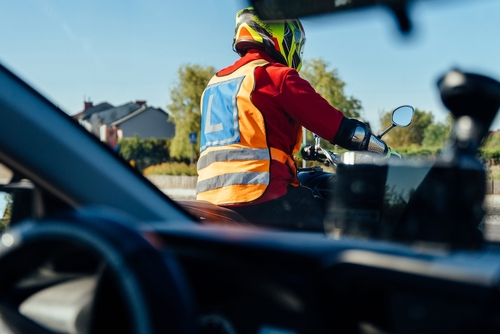
If you were filtering between stopped cars on Interstate 5 near Eugene when another driver suddenly changed lanes and hit you, you’re probably wondering whether Oregon’s proposed lane filtering law affects your right to compensation.
Senate Bill 422 would allow motorcycles to filter between lanes only when traffic is stopped or moving at 10 mph or less on highways with speed limits of 50 mph or higher, with motorcyclists limited to traveling no more than 10 mph faster than surrounding traffic
. While this bill
passed the Oregon Senate with strong bipartisan support (27-2 vote) on March 21, 2023, but has not been signed into law
, many riders are already confused about their legal rights after accidents that occur while filtering. The reality is that even if lane filtering becomes legal, determining fault and securing fair compensation after a motorcycle accident can become significantly more complex when you were between vehicles at the time of impact.
💡 Pro Tip: Document your exact position between lanes immediately after any accident – take photos showing lane markings, vehicle positions, and traffic conditions, as this evidence becomes crucial when insurance companies try to shift blame.
Don’t let confusion over Oregon’s lane filtering laws derail your right to compensation. At Lowe Injury Law, we’re ready to help you navigate these complexities and ensure you’re treated fairly. Reach out today at 801-960-4575 or contact us to get started.
How Oregon’s Evolving Motorcycle Laws Impact Your Accident Claim
Currently, lane filtering remains illegal in Oregon, which means motorcyclists caught between cars during an accident face an uphill battle with insurance companies. However, understanding the proposed changes helps you prepare for potential legal challenges.
This is Oregon’s second attempt at lane filtering legislation after Governor Kate Brown vetoed similar Senate Bill 574 in May 2021
. The new bill includes stricter penalties –
violations of the proposed lane filtering law would constitute a Class A traffic violation with fines up to $2,000
. Working with a motorcycle accident lawyer in Eugene becomes essential because these evolving laws create gray areas that insurance companies exploit.
The bill includes exceptions for school zones with children present and areas with flashing lights
, adding another layer of complexity to accident claims. Even if the law passes, proving you were operating within its strict parameters – including speed limits, traffic conditions, and location restrictions – requires thorough documentation and experienced legal representation.
💡 Pro Tip: Save dashcam footage and gather witness statements immediately, as proving traffic was moving at 10 mph or less becomes critical for establishing legal lane filtering under the proposed law.
Critical Steps After a Lane Filtering Accident in Eugene
In 2023, Oregon recorded 64 motorcycle fatalities with a mortality rate of 5.1 per 10,000 registered motorcycles; complete statistics for 2025 are not yet available. These updated statistics highlight why immediate action and proper documentation remain essential for protecting your rights after filtering accidents. Here’s what you need to do:
-
Call 911 immediately and request police documentation of traffic conditions, including whether vehicles were stopped or moving slowly
-
Photograph your motorcycle’s position between lanes, skid marks, and all vehicle damage before anything is moved
-
Obtain contact information from witnesses who can verify traffic speed and your riding behavior
-
Seek medical attention even for minor injuries –
nationally, 6,364 motorcyclist fatalities occurred in 2023, representing 16% of all traffic fatalities despite motorcycles accounting for less than 1% of annual vehicle miles traveled -
Contact a motorcycle accident lawyer in Eugene before giving any recorded statements to insurance companies
-
Preserve all gear and motorcycle parts as evidence of the impact severity and your safety precautions
💡 Pro Tip: Request traffic camera footage from ODOT within 72 hours – this evidence often disappears quickly but can prove whether you were filtering legally under proposed guidelines.
Protecting Your Rights with Help from Lowe Injury Law
Navigating a motorcycle accident claim involving lane filtering requires understanding both current laws and proposed changes that could affect your case. At Lowe Injury Law, we stay current on Oregon’s evolving motorcycle legislation to protect riders’ rights. Insurance companies often use lane filtering as an excuse to deny or reduce claims, arguing contributory negligence even when another driver’s reckless behavior caused the accident.
Oregon traffic fatalities increased 88 percent over the past decade, with fatal and serious traffic crashes resulting in $16.3 billion in economic and quality-of-life costs in 2023
. Our motorcycle accident lawyer in Eugene team understands how to counter these tactics by demonstrating that filtering, when done safely and within proposed legal parameters, doesn’t automatically make you at fault. We gather comprehensive evidence including traffic flow data, witness statements, and accident reconstruction to build strong cases that protect your right to full compensation for medical bills, lost wages, and pain and suffering.
💡 Pro Tip: Keep a detailed journal of how your injuries affect daily activities – insurance companies often undervalue motorcycle accident claims, but thorough documentation helps secure fair compensation.
Common Scenarios Where Lane Filtering Accidents Occur in Eugene
Understanding where and how lane filtering accidents typically happen helps both prevent crashes and strengthen legal claims. Eugene’s unique traffic patterns, especially during Duck game days or along the I-5 corridor near the Willamette River, create specific hazards for filtering motorcyclists.
Oregon ranks eighth nationally as most dangerous for motorcycle riders with motorcycle crashes accounting for 18.26% of all fatal motor vehicle accidents in the state
. Sudden lane changes by impatient drivers, door openings from stopped vehicles, and debris between lanes all pose serious risks. When accidents occur, establishing the other driver’s negligence becomes crucial – did they signal before changing lanes? Were they distracted by their phone? A motorcycle accident lawyer in Eugene can investigate these factors while you focus on recovery.
High-Risk Filtering Locations Around Eugene
Certain Eugene intersections and highway segments see more filtering-related accidents than others. The I-5 on-ramps near Gateway, Highway 99 through downtown, and Franklin Boulevard near the university create congestion where riders might filter but face increased risks from merging traffic and frequent lane changes.
The Oregon Department of Transportation’s Crash Analysis & Reporting Unit provides motor vehicle crash data covering the last ten years
, revealing patterns that experienced attorneys use to strengthen accident claims. Understanding these danger zones helps establish that your filtering decision was reasonable given traffic conditions.
💡 Pro Tip: If your accident occurred in a known high-risk area, mention this to your attorney – historical crash data from that location can support your claim that other drivers should have exercised extra caution.
Insurance Company Tactics When You Were Filtering
Insurance adjusters often immediately blame motorcyclists who were filtering, regardless of the actual cause of the accident. They’ll argue you were “illegally passing” or “driving recklessly” even if another driver clearly violated your right of way. Understanding their tactics helps you protect your claim. Adjusters might pressure you to give recorded statements immediately after the accident, hoping you’ll inadvertently admit fault or downplay your injuries. They may also misrepresent Oregon law, suggesting that any filtering automatically makes you liable. This is why having a motorcycle accident lawyer in Eugene review any settlement offers becomes critical – initial offers to filtered riders are often insultingly low, banking on your uncertainty about your legal rights.
Documenting Safe Filtering Practices
Proving you were filtering safely requires specific evidence that many riders don’t think to collect. Your speed relative to surrounding traffic, the width of the gap between vehicles, and weather conditions all factor into liability determinations.
ODOT provides official motorcycle safety resources through their safety division website
, including guidelines that can support your safe riding practices. Video evidence from your helmet camera or nearby security cameras becomes invaluable, especially if it shows you were filtering cautiously when another driver made an unsafe movement.
💡 Pro Tip: Install a motorcycle dashcam system that records your speed – being able to prove you were filtering at safe speeds under 20 mph can make the difference between a denied and approved claim.
Future Legal Landscape for Eugene Motorcycle Accident Claims
As Oregon considers joining states that allow lane filtering, understanding how these changes might affect future accident claims becomes crucial for riders. The proposed legislation creates specific parameters that will likely become the standard for determining fault in filtering accidents. Riders who exceed the 10 mph speed differential or filter in prohibited areas like school zones may find themselves with reduced or denied claims. However, when followed correctly, legal filtering could actually strengthen your position in accident claims by establishing that you were operating within explicitly permitted parameters. A motorcycle accident lawyer in Eugene stays updated on these legislative changes to ensure your claim reflects the most current legal standards.
Preparing for Legal Changes
Whether or not SB 422 becomes law, the ongoing debate highlights growing recognition that safe filtering can reduce rear-end collisions – one of the most dangerous scenarios for motorcyclists in stop-and-go traffic.
The Oregon Department of Transportation maintains an official motorcycle safety program page with links to the Oregon Motorcycle and Moped Manual
. Smart riders are already adopting the proposed law’s safety standards, filtering only in stopped traffic and maintaining minimal speed differentials. This proactive approach not only increases safety but also positions you favorably if accidents occur, demonstrating your commitment to responsible riding practices regardless of current legal status.
💡 Pro Tip: Join local motorcycle rights organizations to stay informed about legislative changes – being part of the riding community provides valuable updates that could affect your legal rights after an accident.
Frequently Asked Questions
Legal Rights and Filtering Accidents
Riders injured while filtering between cars face unique legal challenges that require specialized knowledge of both current laws and proposed changes. Understanding your rights helps you make informed decisions after an accident.
💡 Pro Tip: Never admit to lane filtering in initial police reports or insurance statements – let your attorney present this information in the proper legal context.
Compensation and Recovery Process
The path to fair compensation after a filtering accident involves navigating complex liability issues while managing your physical recovery and financial pressures.
💡 Pro Tip: Track all accident-related expenses including uber rides to medical appointments – these costs add up and are recoverable in your claim.
1. If I was lane filtering when hit, am I automatically at fault under current Oregon law?
No, you’re not automatically at fault. While lane filtering is currently illegal in Oregon, fault determination considers all factors including the other driver’s actions. If they made an unsafe lane change, were distracted, or violated traffic laws, they may bear primary responsibility. A motorcycle accident lawyer in Eugene can help establish comparative fault.
2. How will SB 422 change my rights if I’m hit while filtering in Eugene?
If enacted, SB 422 would legalize filtering under specific conditions – traffic moving 10 mph or less on highways with 50+ mph speed limits. This would eliminate the automatic illegality of filtering, potentially strengthening your claim if you were following these guidelines when hit. However, you’d need to prove compliance with all requirements.
3. What evidence is most important for a Eugene motorcycle accident claim involving filtering?
Critical evidence includes traffic camera footage, witness statements verifying traffic speed, photos of your position between lanes, and any video from your helmet camera. Also important are weather conditions, time of day, and whether you were in a permitted filtering zone under proposed regulations.
4. Can I still recover damages if I was partially at fault for filtering?
Yes, Oregon follows modified comparative fault rules. As long as you’re less than 51% at fault, you can recover damages reduced by your percentage of fault. An experienced motorcycle accident lawyer in Eugene can help minimize your assigned fault percentage through proper evidence presentation.
5. How long do I have to file a motorcycle accident lawsuit in Eugene if I was filtering?
Oregon’s statute of limitations for personal injury claims is two years from the accident date. However, evidence degrades quickly in filtering cases – traffic camera footage is often deleted within days. Contact an attorney immediately to preserve crucial evidence for your claim.
Work with a Trusted Motorcycle Accident Lawyer
Lane filtering accidents require attorneys who understand both the technical aspects of motorcycle operation and Oregon’s evolving traffic laws. The complexity increases when insurance companies use filtering as an excuse to deny valid claims. Experienced legal representation becomes essential for gathering the right evidence, countering insurance company tactics, and securing fair compensation. Whether Oregon’s lane filtering law passes or not, riders deserve strong advocacy after accidents caused by negligent drivers. The right attorney will investigate thoroughly, consult accident reconstruction experts when needed, and fight for your rights regardless of whether you were between lanes when hit.
Take the reins and ensure your rights aren’t sidelined by Oregon’s lane filtering complexities. Reach out to Lowe Injury Law for guidance tailored to your situation. Call us at 801-960-4575 or contact us today.